Every wedding has a moment, usually around 11 in the morning on the first day, when three cars, a tempo traveller and a family of eleven all reach the hotel at once. Somebody is holding a sleeping child. Somebody’s phupho is asking where the tea is. Somebody else has lost the booking message on their phone.
Whether that moment turns into a good memory or a bad one depends almost entirely on the welcome desk. It is a small table, but it decides how the whole trip begins.
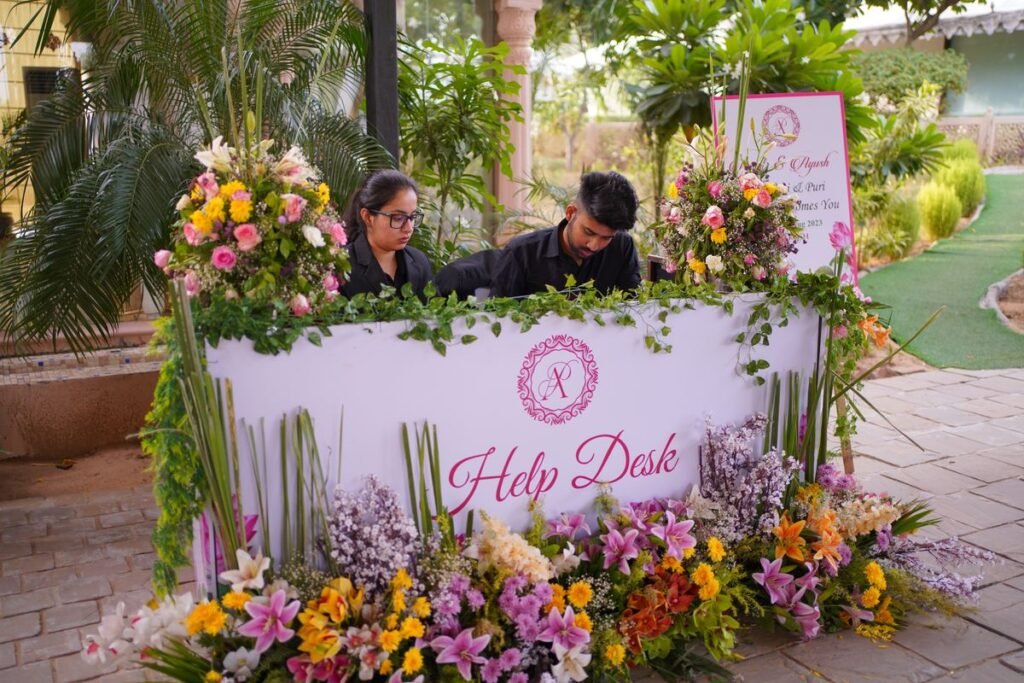
Put it where people actually walk
This sounds obvious, and it still goes wrong all the time. The desk gets placed where the decor looks best, not where guests arrive. Stand at the entrance and watch for a minute. Where do people slow down and look around? That is the spot. It should be in shade or indoors, close enough to the door that nobody has to hunt for it, and away from the luggage path so trolleys are not running into your check-in queue.
If guests come in through two gates, do not make one desk serve both. A second, smaller desk with one person and a printed list is far better than sending tired people across the property.
Staff for the rush, not the average
Guests do not arrive in a neat line. They come in waves, when the train gets in, when the flight lands, when the bus from the other hotel unloads. Look at the arrival plan and find the two or three busiest hours. Those are the hours that need extra hands.
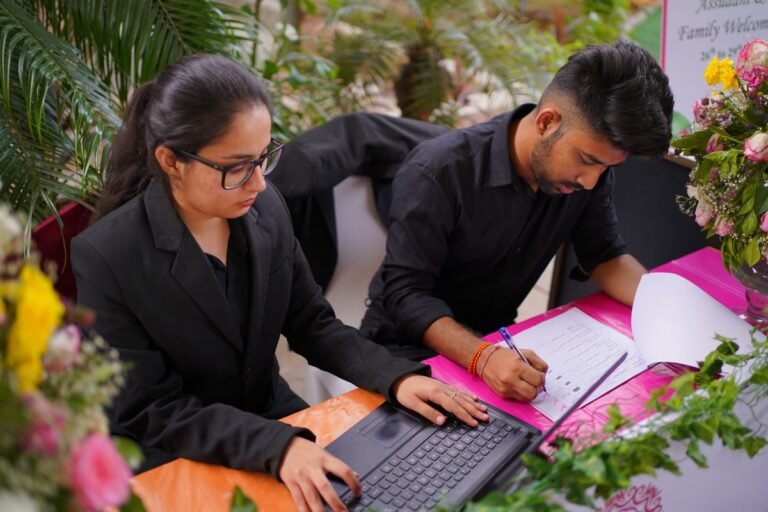
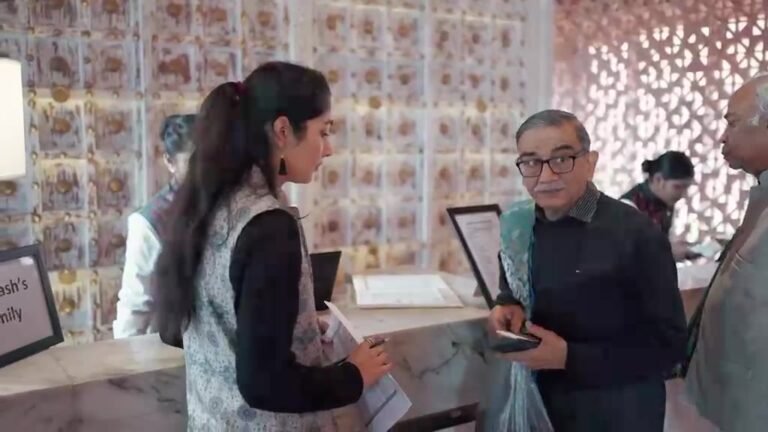
A good desk has one person who only checks names, one who hands over keys and welcome material, and one who is free to walk a family to their room. The third person is the one people forget, and the one guests remember.
One list, and everyone works from it
The fastest way to lose a guest’s goodwill is to give them two different answers. One person says the room is ready, another says it is not. That happens when there are three versions of the guest list floating around in different phones.
Keep one master list. Update it in one place, and let the whole desk see the change. Keep a printed copy too, because laptops die and Wi-Fi in old palaces is not something you should bet on.
The small things people talk about later
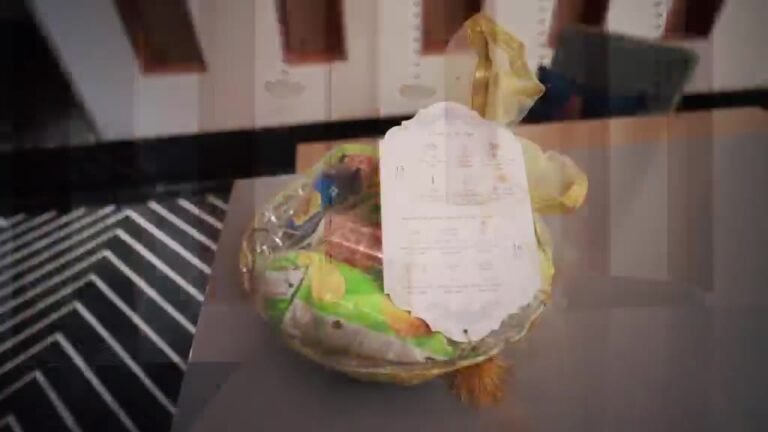
- A cold drink or a nimbu pani in summer, and something warm in winter. It takes no time and people notice.
- A chair for elders while their check-in is done. Nobody should have to stand for ten minutes after a long journey.
- A printed card with the schedule, the dress code for each function and one phone number to call. One number, not five.
- Someone who knows the answers. Where is breakfast? When is the first bus? Is there a chemist nearby? Give the desk team a one-page cheat sheet before the first guest arrives.
What we have learned
The desk is not really about paperwork. It is about making a guest feel expected. When someone walks up and hears their name before they say it, the tiredness goes out of their shoulders a little. That is the whole job.
If you would like a trained team to run this for your wedding, have a look at how our wedding hospitality service works, or tell us about your dates and we will talk it through.